Tracing Player Protection Protocols Across Smartphone-Based Card and Wheel Games in Regulated UK Markets
Written by Cameron Brooks · Sep 30, 2026
Tracing Player Protection Protocols Across Smartphone-Based Card and Wheel Games in Regulated UK Markets
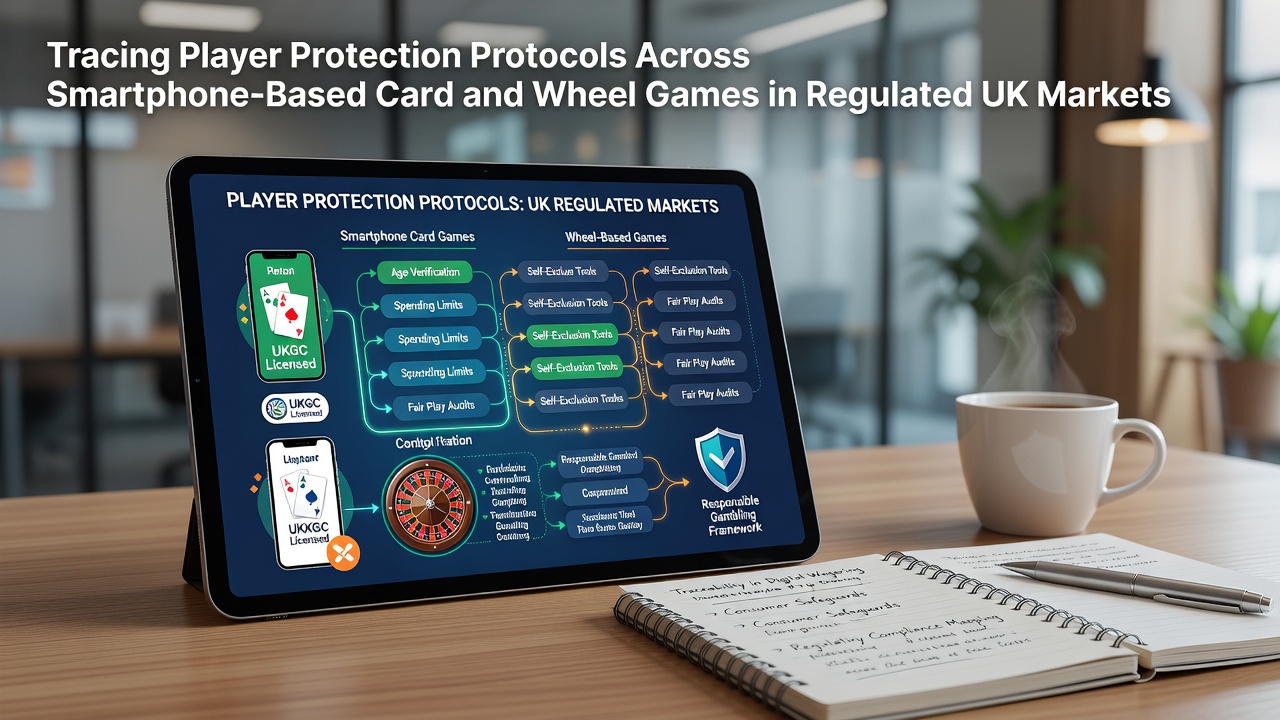
Smartphone-based card and wheel games operate under strict oversight in regulated UK markets, where operators must implement layered protection protocols that address deposit limits, session tracking, and self-exclusion tools integrated directly into mobile platforms. These measures focus on real-time monitoring of gameplay patterns in titles such as blackjack, poker variants, and roulette, ensuring compliance with regional standards while users engage through apps or browsers on iOS and Android devices.
Core Elements of Mobile Protection Frameworks
Operators deploy automated systems that flag unusual betting sequences during card games, triggering pop-up interventions or temporary cool-down periods that pause further wagers until the player confirms continued participation. Wheel games receive similar scrutiny through velocity controls that cap spins per minute, and these features connect to centralized databases maintained by industry bodies so that self-exclusion requests propagate across multiple operators without delay. Data from various studies shows that such integrated tools reduce the incidence of extended play sessions by measurable percentages across user cohorts tracked over six-month periods.
Authentication layers require multi-factor verification at login, which ties player accounts to verified age and location data before any card or wheel activity begins. Once inside the app, behavioral analytics track metrics including bet size relative to account balance, frequency of deposits, and time spent in specific game types, feeding this information into algorithms that adjust protection prompts dynamically throughout a session. Researchers at academic institutions have documented how these systems evolve through iterative updates, incorporating feedback from regulatory audits conducted at regular intervals.
Card Game Specific Safeguards
In smartphone poker and blackjack environments, protocols emphasize hand-history reviews that allow players to access detailed logs of past decisions, promoting informed choices rather than impulsive ones. Limit-setting interfaces appear prominently within the game lobby, permitting adjustments to daily or weekly spend caps that lock in place until the chosen period expires. Observers note that these controls integrate with broader account management dashboards, where users can set reminders or receive usage summaries via push notifications at predefined intervals.
Wheel Game Monitoring Approaches
Roulette apps incorporate speed governors and randomized outcome displays that prevent rapid-fire betting loops, while also embedding reality-check timers that interrupt play every thirty minutes with neutral summaries of elapsed time and net results. These interruptions do not force cessation but present clear data points that encourage players to reassess their activity. Figures from industry reports reveal that adoption of such timers correlates with higher rates of voluntary session endings among mobile users in monitored markets.
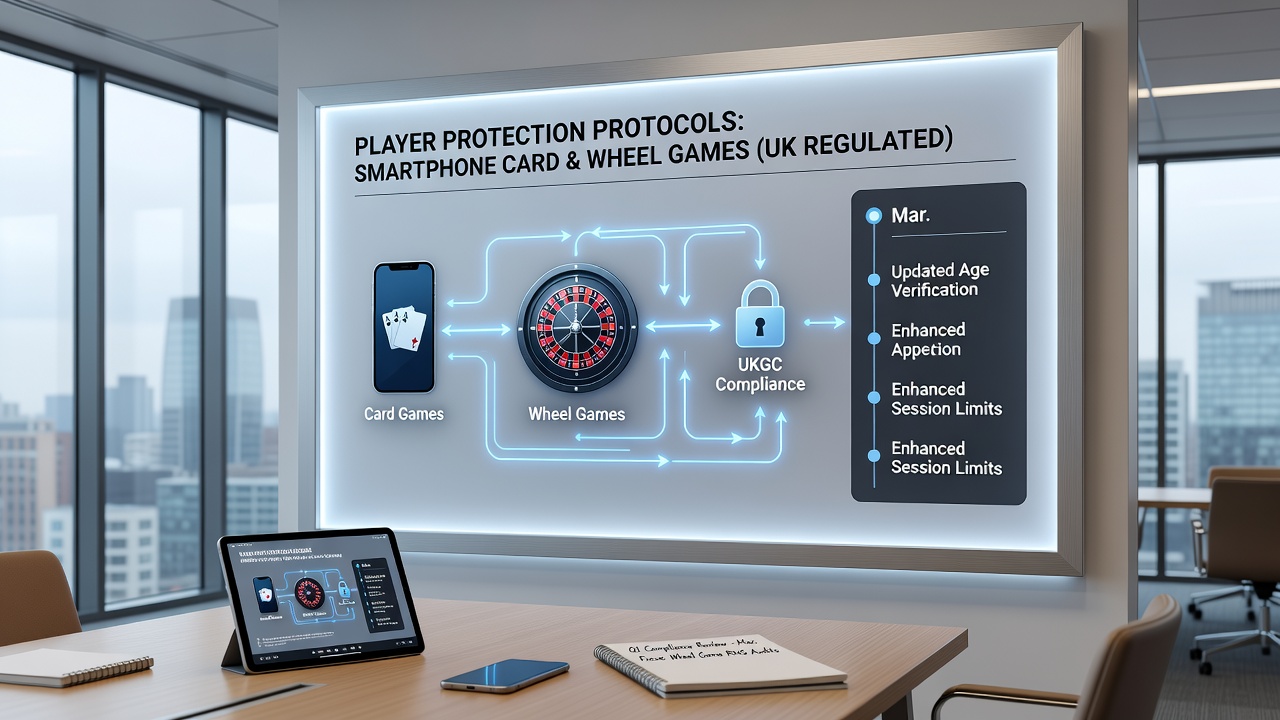
Cross-operator data sharing agreements ensure that exclusion lists update in near real time, so a player who opts out through one platform cannot immediately migrate to another without detection. Technical standards require encryption of all transaction and behavioral records, shielding sensitive information while still allowing authorized audits to verify protocol effectiveness.
Regulatory Alignment and Technological Integration
UK market rules mandate that protection features remain active by default and cannot be disabled through user preference, creating a baseline that applies uniformly across licensed operators. Updates scheduled for September 2026 will introduce enhanced API connections between mobile games and external support services, streamlining referrals when algorithms detect patterns consistent with elevated risk. These forthcoming changes build on existing frameworks without altering core gameplay mechanics.
Industry organizations such as the National Council on Problem Gambling have contributed research on how mobile interfaces can embed help resources directly into game menus, making support options accessible within two taps from any screen. Similar findings appear in reports issued by Australian Institute of Family Studies, which examined comparable systems in other jurisdictions and identified consistent outcomes regarding user engagement with voluntary tools. Operators in the UK incorporate these insights during software development cycles to maintain alignment with evolving expectations.
Testing protocols involve independent laboratories that simulate high-volume play across thousands of virtual sessions, verifying that safeguards activate correctly under varied conditions. Results from these evaluations feed into annual compliance reports submitted to oversight bodies, documenting both successes and areas targeted for refinement in subsequent releases.
Conclusion
Smartphone card and wheel games in regulated UK markets continue to rely on interconnected protection protocols that combine technical controls, behavioral monitoring, and cross-platform data exchange to support player safety. As September 2026 approaches, scheduled enhancements will further strengthen these connections, reflecting ongoing collaboration between operators, technology providers, and external research entities. The framework remains subject to periodic review, ensuring that measures keep pace with changes in device capabilities and user behavior patterns observed across the sector.