Shifts in Bonus Structures Influencing Retention Among Mobile Blackjack and Roulette Players Under UK Oversight
Written by Rafael Otto · Sep 2, 2026
Shifts in Bonus Structures Influencing Retention Among Mobile Blackjack and Roulette Players Under UK Oversight
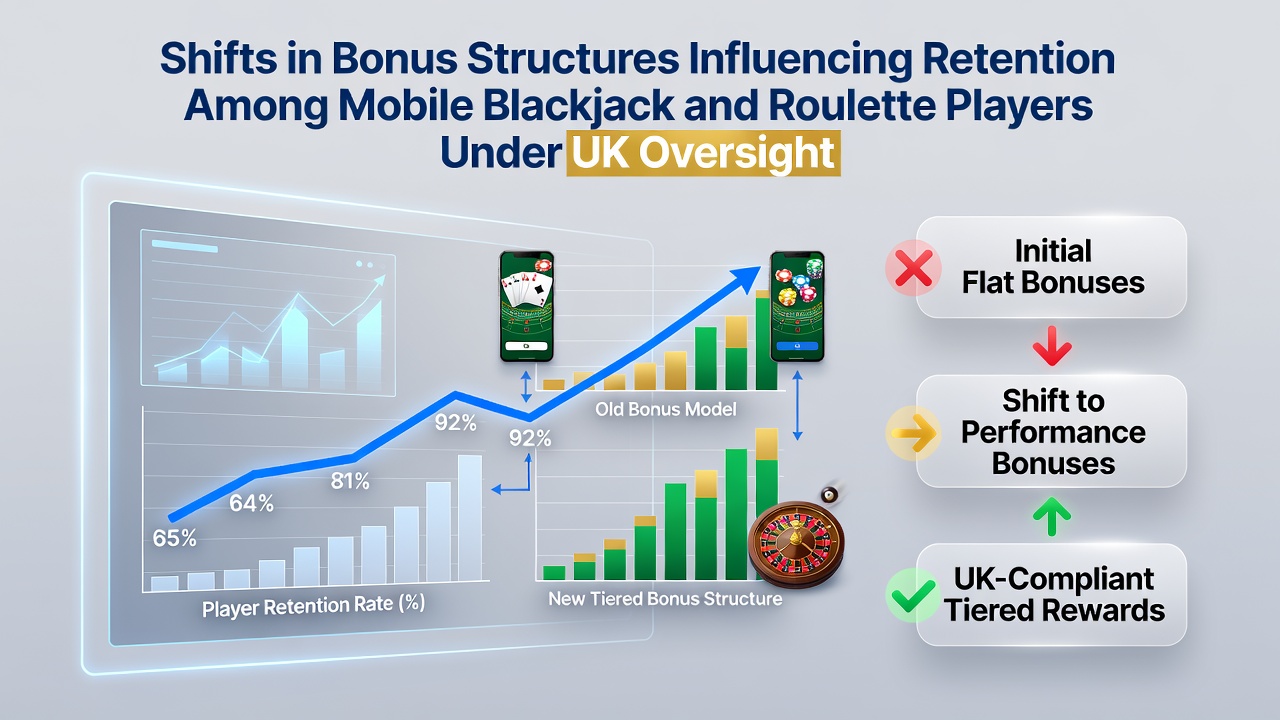
Operators active in the United Kingdom have adjusted bonus structures for mobile blackjack and roulette over recent years, moving away from large upfront deposit matches toward tiered loyalty rewards and personalized cashback programs. These modifications coincide with evolving compliance expectations that emphasize sustained player engagement rather than one-time acquisition incentives.
Changes in Bonus Design and Delivery
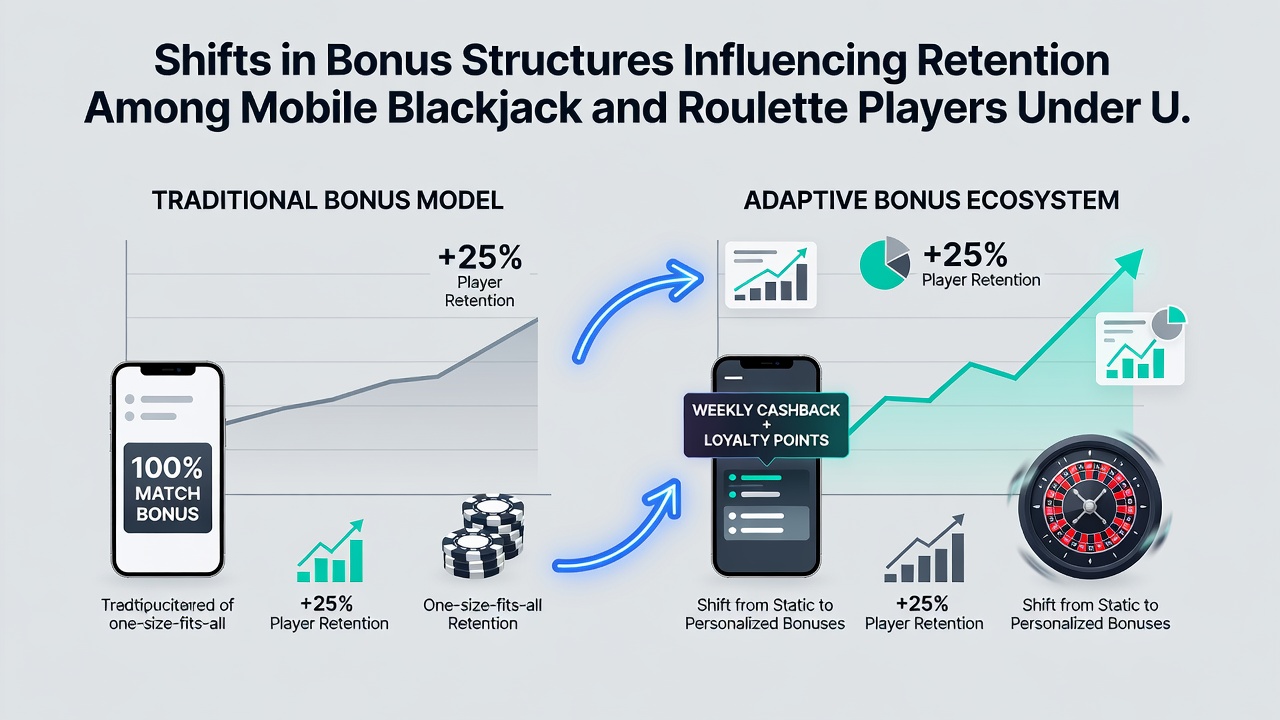
Traditional welcome packages that offered substantial initial credits have given way to segmented offers delivered through mobile applications, where players receive smaller, recurring rewards based on play volume and frequency. Data compiled by industry analysts show that operators now prioritize weekly or monthly cashback percentages tied directly to net losses on blackjack and roulette tables, while wagering requirements on these returns have tightened to align with oversight standards.
Research indicates that such adjustments emerged more clearly after 2024, when several major platforms began testing dynamic reward engines that adjust bonus value in real time according to individual session data. Players accessing games via smartphones encounter these offers through push notifications and in-app dashboards rather than static promotional pages, which changes how frequently they return to specific titles.
Mobile-Specific Retention Patterns
Figures from platform analytics reveal that retention rates for mobile blackjack sessions increased by measurable margins when loyalty points converted into free spins or table credits within 48 hours of play. Roulette players, meanwhile, demonstrated stronger continuation when operators applied tiered multipliers to cashback, rewarding longer consecutive days of activity. These patterns appear in aggregated user data collected across multiple licensed operators serving UK customers.
What's notable is the timing of reward delivery, because mobile users often check applications during short intervals throughout the day, and immediate recognition of play history encourages repeat logins. Observers note that blackjack tables with side-bet features integrated into the bonus calculation retained higher percentages of daily active users compared with standard variants lacking such linkages.
Regulatory Context and September 2026 Milestones
Frameworks governing remote gambling in the United Kingdom continue to shape how bonus mechanics operate, particularly around transparency of terms and restrictions on aggressive targeting. A set of updated guidance documents scheduled for full implementation in September 2026 will require clearer disclosure of bonus expiration periods and the calculation methods used for cashback on roulette and blackjack wagers.
Operators have already begun aligning their systems with these forthcoming rules, which affects how retention campaigns are structured for mobile audiences. Those who've examined preliminary compliance filings report that platforms must now log and report the distribution frequency of loyalty rewards, creating additional datasets that researchers can use to track retention correlations over time.
Evidence from Broader Industry Reports
According to analysis published by the Responsible Gambling Council, loyalty-focused bonus models produced steadier engagement curves among mobile users of table games when compared with deposit-heavy promotions. The same report highlights that roulette players responded more consistently to loss-based rebates than to volume-based free bet credits, while blackjack enthusiasts showed preference for multiplier bonuses attached to specific hand outcomes.
Additional data released through the Australian Gambling Research Centre examined cross-jurisdictional trends and found similar directional shifts in retention metrics once operators reduced emphasis on large initial bonuses. These findings, drawn from anonymized transaction records, suggest that the structure of ongoing rewards matters more for session frequency than the size of any single promotional credit.
Player Behavior and Platform Adjustments
Take one operator that introduced a mobile-exclusive streak bonus for consecutive roulette sessions, and the internal metrics indicated a measurable uptick in seven-day retention among users who triggered the reward. Another platform adjusted its blackjack loyalty ladder so that points accumulated faster during evening peak hours, resulting in higher return rates the following day. These examples illustrate how granular changes in bonus mechanics translate into observable differences in user activity.
Because mobile interfaces allow immediate visibility into progress toward the next reward tier, players receive constant feedback that encourages continued play. Operators have responded by refining the algorithms that determine when and how much cashback appears, ensuring the offers remain compliant while still supporting retention objectives ahead of the September 2026 requirements.
Conclusion
Bonus structures for mobile blackjack and roulette have evolved under United Kingdom oversight, with operators placing greater weight on recurring, data-driven rewards rather than large acquisition incentives. Retention metrics collected across platforms show that timely, personalized offers correlate with higher return rates, particularly when those offers align with the shorter session patterns typical of smartphone users. As the September 2026 guidance takes effect, further refinements in reward transparency and calculation methods will likely continue to influence how these games maintain player engagement over time.