Heritage Building Features Shaping Strategy Shifts in Poker and Wheel Games at Storied Capital Venues
Written by Casey Baumann · Oct 28, 2026
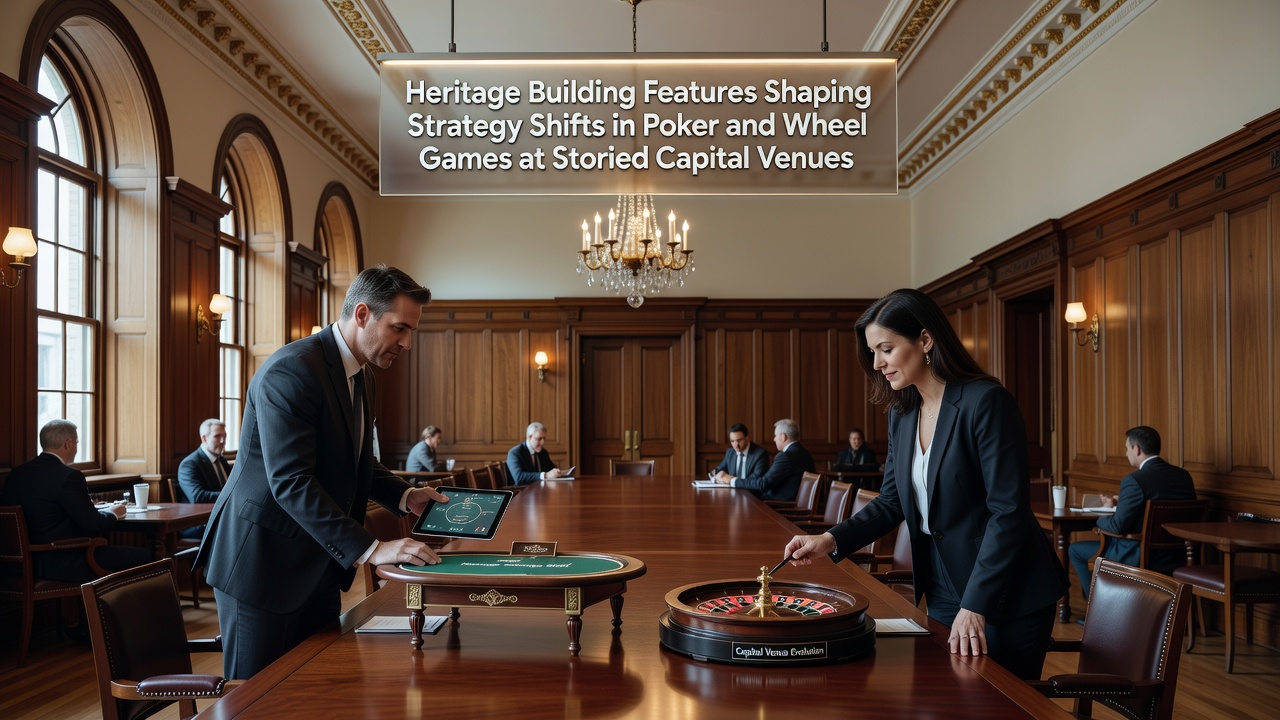
Heritage Building Features Shaping Strategy Shifts in Poker and Wheel Games at Storied Capital Venues
Storied capital venues across multiple continents preserve architectural elements from earlier centuries that continue to influence how players approach poker and wheel games. High vaulted ceilings, intricate wood paneling, and fixed table placements create acoustic patterns and sightlines that differ from modern purpose-built facilities, and observers note these conditions prompt adjustments in betting patterns and observational tactics during extended sessions.
Architectural Layouts and Player Positioning
Many heritage structures feature irregular floor plans with columns and alcoves that originated as part of 19th-century designs, and these elements limit direct lines of sight between tables while directing sound in specific directions. Researchers tracking session data from venues in European capitals have recorded shifts where poker participants favor seats that allow peripheral monitoring of multiple opponents rather than central positions that expose hand movements more readily. Wheel game participants, meanwhile, adjust their stance and timing to account for reflections off polished marble surfaces that alter perceptions of ball trajectory.
Lighting Conditions and Concentration Patterns
Original chandeliers and wall sconces in these buildings produce uneven illumination that changes throughout teh evening, and studies from academic gaming research centers indicate players respond by altering their pacing in both poker and roulette variants. Data collected over multi-year periods shows increased use of verbal tells or delayed calls during periods of lower light intensity, whereas brighter intervals correlate with more aggressive betting frequencies in documented capital city records.
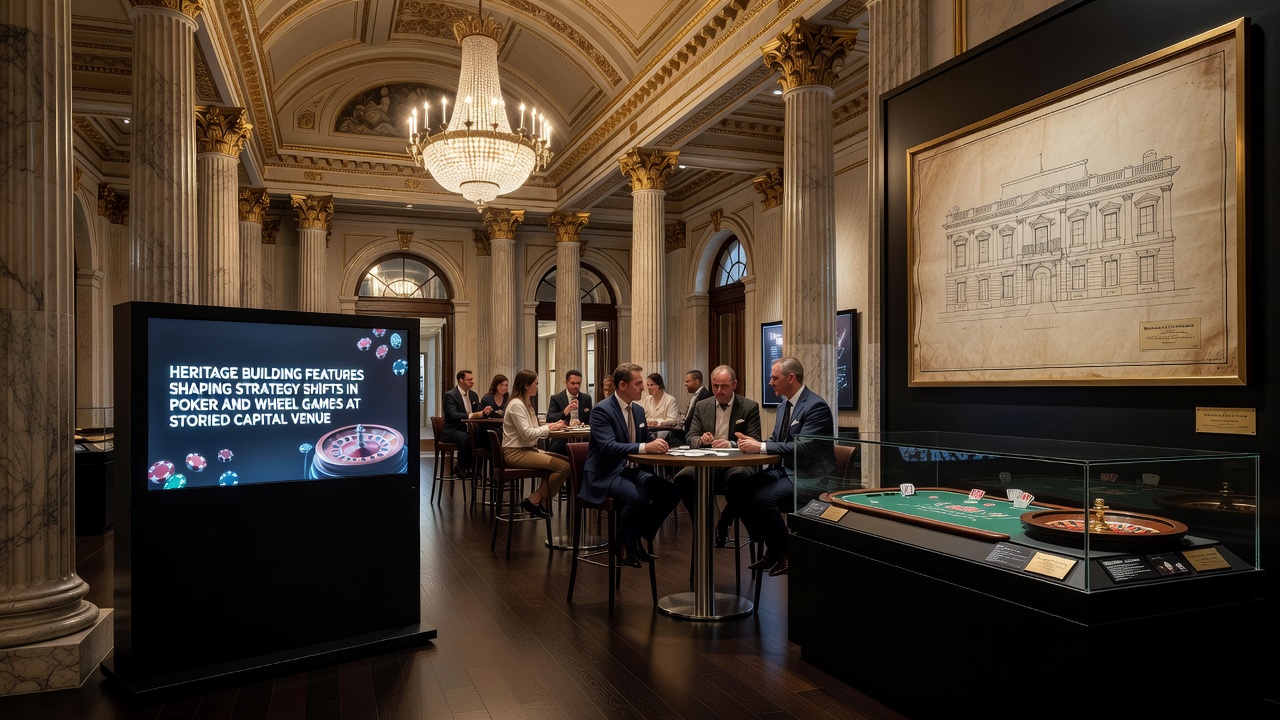
Those who have examined environmental influences on decision-making report that the combination of aged glass windows and interior mirrors creates secondary reflections that some players incorporate into their observational routines. In wheel games this translates to modified tracking of ball revolutions, while poker participants sometimes reposition chips or cards to minimize glare on their own holdings.
Acoustic Properties and Communication Adjustments
Thick stone walls and high ceilings generate distinct reverberation times that affect table talk and dealer announcements, and industry analyses from regulatory bodies in the United States and Australia confirm measurable differences in player response times compared with newer venues. Poker strategies in these spaces often emphasize clearer verbal declarations and reduced reliance on subtle gestures that become harder to distinguish amid echoes, whereas wheel game bettors adapt by focusing visual attention more intently on the wheel itself rather than auditory cues from surrounding activity.
Case Examples from Established Venues
Take one researcher who examined records from multiple capital locations and found consistent patterns where table proximity to fixed architectural features such as fireplaces or entryways correlates with conservative early-round play in poker. In wheel games the same spatial factors appear linked to variations in section betting distribution, with data showing preferences for certain wheel segments when ambient noise levels rise due to foot traffic through historic corridors. Observers at venues that opened in the late 1800s note similar adaptations among both local and visiting participants, suggesting the building characteristics exert a steady influence independent of regional player demographics.
Developments Through 2026
By October 2026 preservation projects at several capital venues had incorporated non-invasive modifications such as adjustable task lighting and acoustic panels that maintain historic character while altering some of the longstanding environmental variables. Figures from gaming oversight agencies in Nevada and research compilations produced in Australia reveal preliminary shifts in strategy distributions following these updates, with poker participants demonstrating slightly faster decision cycles adn wheel game players showing redistributed bet placements during evening hours. These changes remain under ongoing review by facility operators seeking to balance heritage requirements with contemporary operational data.
Conclusion
Heritage features in capital venues continue to interact with established poker and wheel game mechanics in measurable ways, and available records from regulatory and academic sources document corresponding adjustments in player behavior across multiple jurisdictions. As preservation efforts advance, future observations will clarify whether these spatial and sensory characteristics retain their influence or undergo further moderation through targeted interventions.